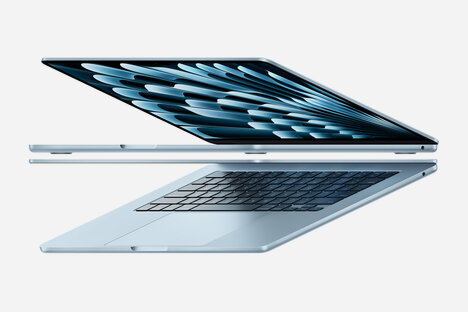
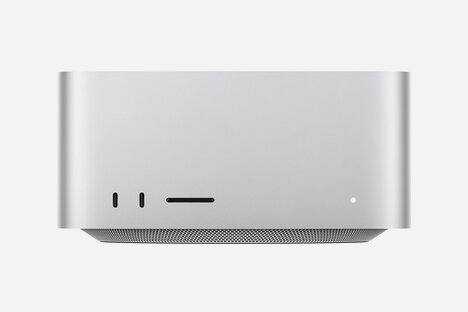
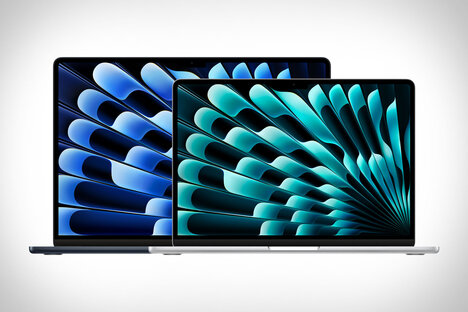
Laptops
Updated on March 4, 2026 at 13:00


-

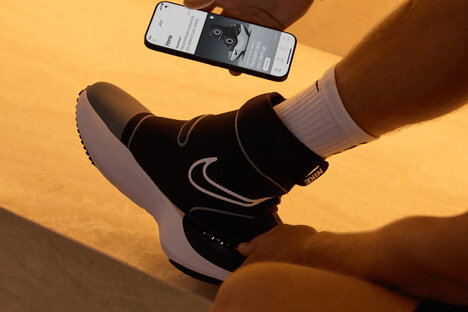
Nike x Hyperice Hyperboot
The Nike x Hyperice Hyperboot brings recovery technology into a wearable format designed to keep athletes moving. Combining Hyperice's HyperHeat technology with Normatec dynamic air compression, the high-top boot delivers targeted warmth and rhythmic compression to the feet, ankles, and Achilles, helping prepare muscles for activity and support post-workout recovery. Three heat levels and three compression settings allow for a customized experience, with controls built into the boots or accessible through the Hyperice app via Bluetooth. Designed to be worn while sitting, standing, or walking, the battery-powered system makes it possible to warm up on the go, whether heading to the gym, preparing for competition, or recovering between sessions. With USB-C charging and a TSA-friendly design, the Hyperboot brings a new level of mobility to the warm-up routine.
Presented by Hyperice.
-
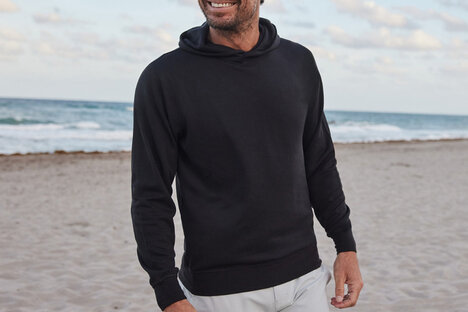
Collars & Co.'s Cloud Cotton Hoodie
The hoodie has long been a casual staple, but Collars & Co.'s Cloud Cotton Hoodie gives it a more refined identity. Crafted from an ultra-soft brushed cotton blend, the lightweight layer delivers warmth with a smooth hand feel while maintaining a relaxed fit that never looks oversized. Ribbed cuffs and hem, a cleaner silhouette, and an elevated finish make it just as appropriate for travel and weekend dinners as it is for off-duty afternoons. It's the kind of everyday essential that quietly replaces every other hoodie in your rotation, proving that comfort and polish can coexist.
Presented by Collars & Co.




-
RtA Fall Collection
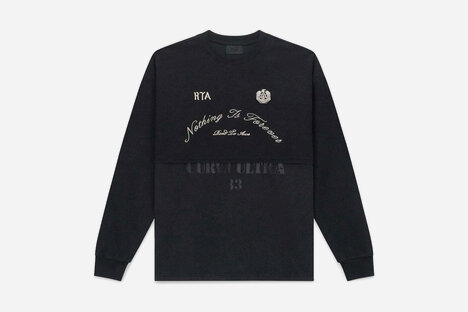
RTA's latest men's collection doubles down on the Los Angeles label's mix of bold design, premium materials, and rebellious streetwear attitude. The new arrivals span denim, outerwear, tees, knits, shorts, and accessories, with standout pieces like the brand's signature denim and statement jackets bringing a sharper edge to everyday dressing. Relaxed silhouettes and distinctive details keep the lineup unmistakably RTA, while versatile layers make the collection easy to work into an existing wardrobe. It's a fresh selection for those who prefer their staples with a little more attitude.
Presented by RtA.
-
Skechers SKX REIGN 2.0
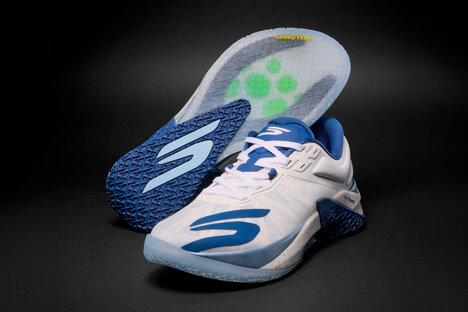
Built for a quick first step and explosive takeoffs, the Skechers SKX Reign 2.0 brings performance-focused tech to the hardwood in a clean white and blue colorway. The low-top pairs a durable mesh and synthetic upper with a dual-density HYPER BURST midsole for responsive cushioning, a full-length carbon-infused plate for added propulsion, and a Goodyear performance outsole engineered for grip and durability. Part of Skechers' growing basketball lineup, the SKX Reign 2.0 is ready for tip-off and backed by pros like Julius Randle.
Presented by Skechers.



-
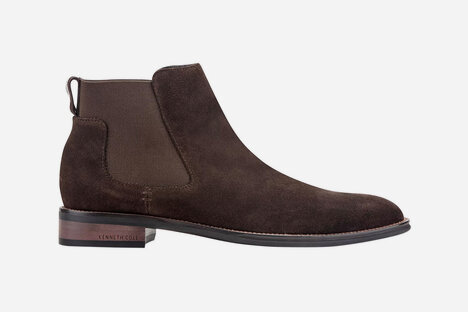
Kenneth Cole Tully Chelsea Boot
Kenneth Cole New York gives the classic Chelsea boot a refined everyday update with the Tully. A sleek almond toe and rich bay brown suede upper keep the silhouette versatile enough for the office or a night out, while elastic gore panels and a rear pull tab make for easy on-and-off wear. Underfoot, a cushioned, removable insole and flexible rubber outsole prioritize comfort without sacrificing its clean profile. Available in medium and wide fits, the Tully is a no-fuss addition to any fall footwear rotation.
Presented by Kenneth Cole
-
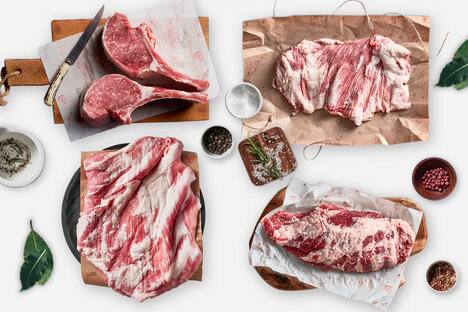
Campo Grande
Bred from Spain's legendary Black Iberian pig and raised on a diet of nuts and grains, Campo Grande's Ibérico Pork earns its title as The Wagyu of Pork. With marbling that rivals Kobe beef and an ultra-low melting point that melts on the tongue like butter, each cut delivers an umami-packed punch that's rich, savory, and almost impossible to believe is pork. With a forgiving nature, Ibérico Pork can be the centerpiece of truly incredible tasting dishes without the need to be a seasoned cook. For a limited time try a starter box of Campo Grande's best-selling cuts starting at just $149, and get an additional 3 free welcome gifts as you indulge in your journey of Campo Grande. Enjoy $70 off your order with code uncrate.
Presented by Campo Grande.