Cubans are back, or at least a little more legal than they used to be. They definitely haven't gotten any cheaper, so be sure you're smoking the real thing. Cigar Obsession has some solid tips to make sure you're getting what you pay for.
Drive-ins, double features, the grindhouse horror and exploitation flicks of the 60s and 70s — they're all gone. Movies have never been cheap, but trying to get something in a theater without major studio marketing muscle is all but impossible. Death Proof stands out as the lowest point in Quentin Tarantino's otherwise stellar career, as acknowledged by the director himself, but something often overlooked is what the movie was really meant to be — a warm look back at the way cinema used to be.
Skating belongs in the city. Skating needs pavement and concrete and all the man-made architectural elements that make it so creative and spontaneous — except when it doesn't. Hermann Stene, Didrik Galasso, Henrik Lund, and Karsten Kleppan went north to the Norwegian coast to thrash mother nature's own skatepark: Frozen water and sand.
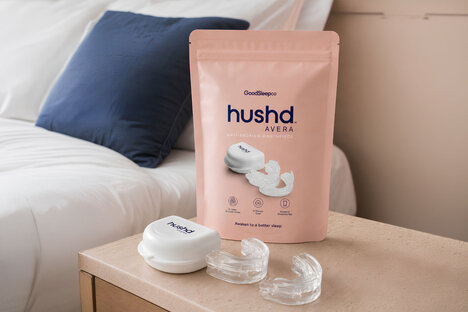
Hushd Avera from Good Sleep Co. is designed to make the bedroom a quieter, more comfortable place to sleep, pairing a premium construction with a clean, understated aesthetic. Built with thoughtful materials and engineered for everyday comfort, the Avera takes a straightforward approach to upgrading the sleep setup without unnecessary complexity. It's the kind of bedroom essential that fits easily into a modern space while keeping the focus where it belongs: better nights and more comfortable mornings. Enjoy 15% off with code UNSNORE15.
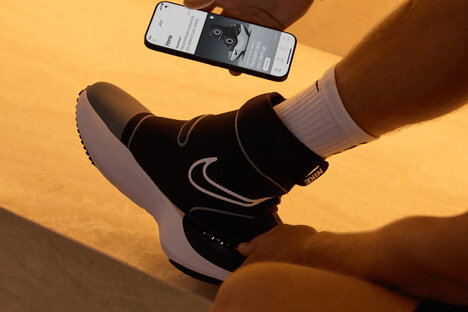
The Nike x Hyperice Hyperboot brings recovery technology into a wearable format designed to keep athletes moving. Combining Hyperice's HyperHeat technology with Normatec dynamic air compression, the high-top boot delivers targeted warmth and rhythmic compression to the feet, ankles, and Achilles, helping prepare muscles for activity and support post-workout recovery. Three heat levels and three compression settings allow for a customized experience, with controls built into the boots or accessible through the Hyperice app via Bluetooth. Designed to be worn while sitting, standing, or walking, the battery-powered system makes it possible to warm up on the go, whether heading to the gym, preparing for competition, or recovering between sessions. With USB-C charging and a TSA-friendly design, the Hyperboot brings a new level of mobility to the warm-up routine.
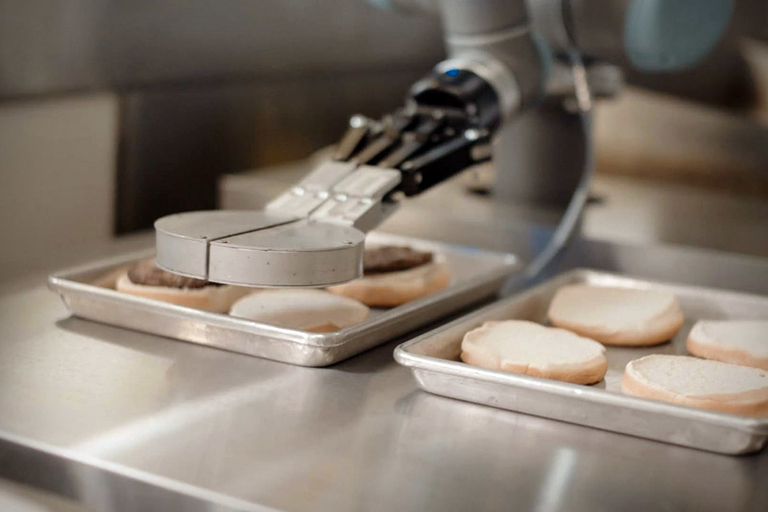
Slave over the griddle no more. The Flippy Kitchen Robot can handle the cooking, leaving you free to dream up new dishes. Using a robotic arm, cameras, and artificial intelligence, this mechanical assistant cooks perfect burgers and chicken breasts, toasts buns, fries, and even builds sandwiches, all on its own. It installs in minutes, is controlled via a simple touchscreen interface, and can even move out of your way when needed, making it an ideal addition to many a professional kitchen, or the private kitchens of the very, very lazy.
A wave of fcial hair seems to be covering the U.S., with nearly 20 percent of men rocking beards. So have we reached peak beard? Author and professor Stephen Mihm takes a look back at history to see if your rugged man stubble is on the way out.
The Old Gods are dying. As their believers wane, their power ebbs and new gods rise to take their place. But before they are gone completely, these old gods will make war against the new in one last epic battle for survival. Neil Gaiman's 2001 novel American Gods comes to Starz as an eight-episode television series April 30, 2017.
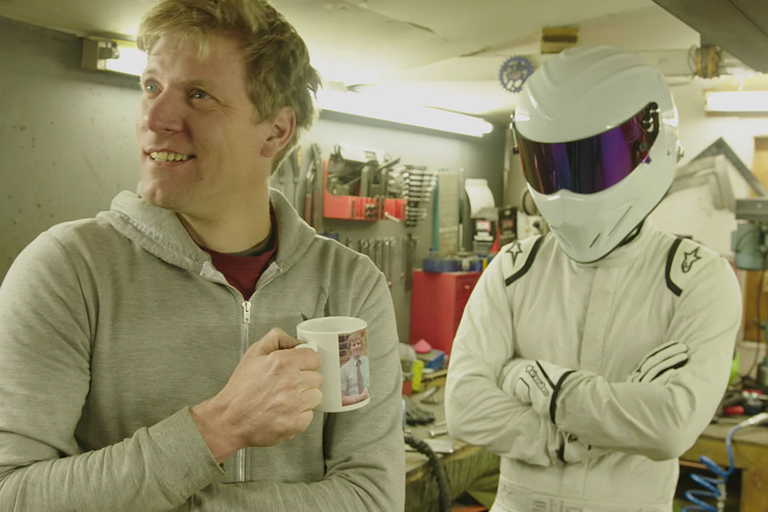
What kind of car do you build for the person-with-the-secret-identity who's driven everything? Easy. You ask the Mad Hatter of DIY engineering Colin Furze to think something up. Colin never disappoints, and his new ride for Top Gear's legendary test pilot the Stig is no exception: A former bumper car powered by a 600cc four-cylinder motorcycle engine making about 100 brake horsepower. Colin details the build process for the bumper car, and will unveil the Stig's new ride in Part 2, due out March 23, 2017.
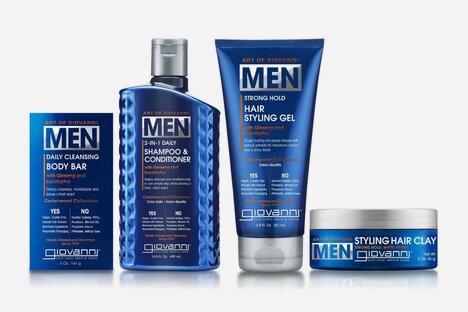
Giovanni's Classic Bundle brings the essentials of a streamlined men's grooming routine together in one set. The $40.96 Art of Giovanni bundle includes a 2-in-1 Daily Shampoo & Conditioner with ginseng and eucalyptus, a Daily Cleansing Body Bar, Strong Hold Hair Styling Gel, and Styling Hair Clay, covering everything from the morning shower to finishing a style. Built around Giovanni's salon-inspired approach to grooming, the collection pairs botanical ingredients with performance-focused formulas designed to keep the routine simple without sacrificing results.
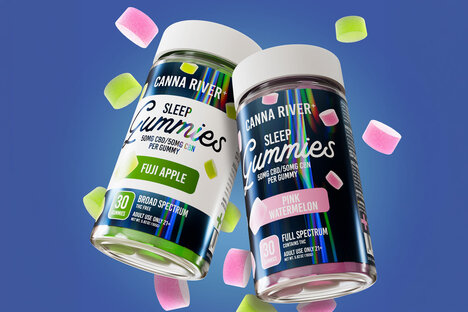
Nighttime routines don't need to be complicated, and River Botanicals keeps its CBD Sleep Gummies refreshingly straightforward. Each gummy combines 50mg of broad-spectrum CBD with 50mg of CBN, delivering a measured formula in an easy-to-take format. Made with non-GMO hemp and third-party tested by batch, the THC-free gummies are designed to fit seamlessly into a nightly routine without the need for capsules or tinctures. With a simple formula and convenient format, they're an uncomplicated addition to a more intentional wind-down ritual.
Presented by River Botanicals.
Consult a physician before consuming any new supplement or medication. Any health claims made are solely those of the brand and not those of Uncrate.
With a race-bred pedigree like Porsche, picking only five concept cars is incredibly difficult. Luckily, Director of Exterior Design Peter Varga and Director of Interior Design Ivo van Hulten are the perfect two to make such a decision. From the Porsche Cayenne Cabriolet to the 918 Spyder supercar, these five concepts capture the German marque's passion.
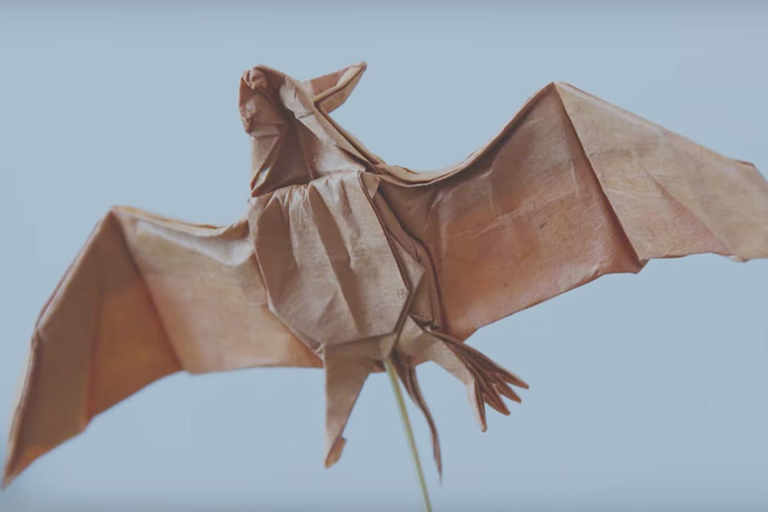
You'll never want to make a paper crane again after you see Robert Lang's epic origami designs. A former NASA physicist, Robert's love of folding paper isn't limited to just animals — his designs have been used in everything from spacecraft to air bags. In 2001, Robert quit his day job to focus on origami full-time, applying its principals to everyday problems in the real world.